
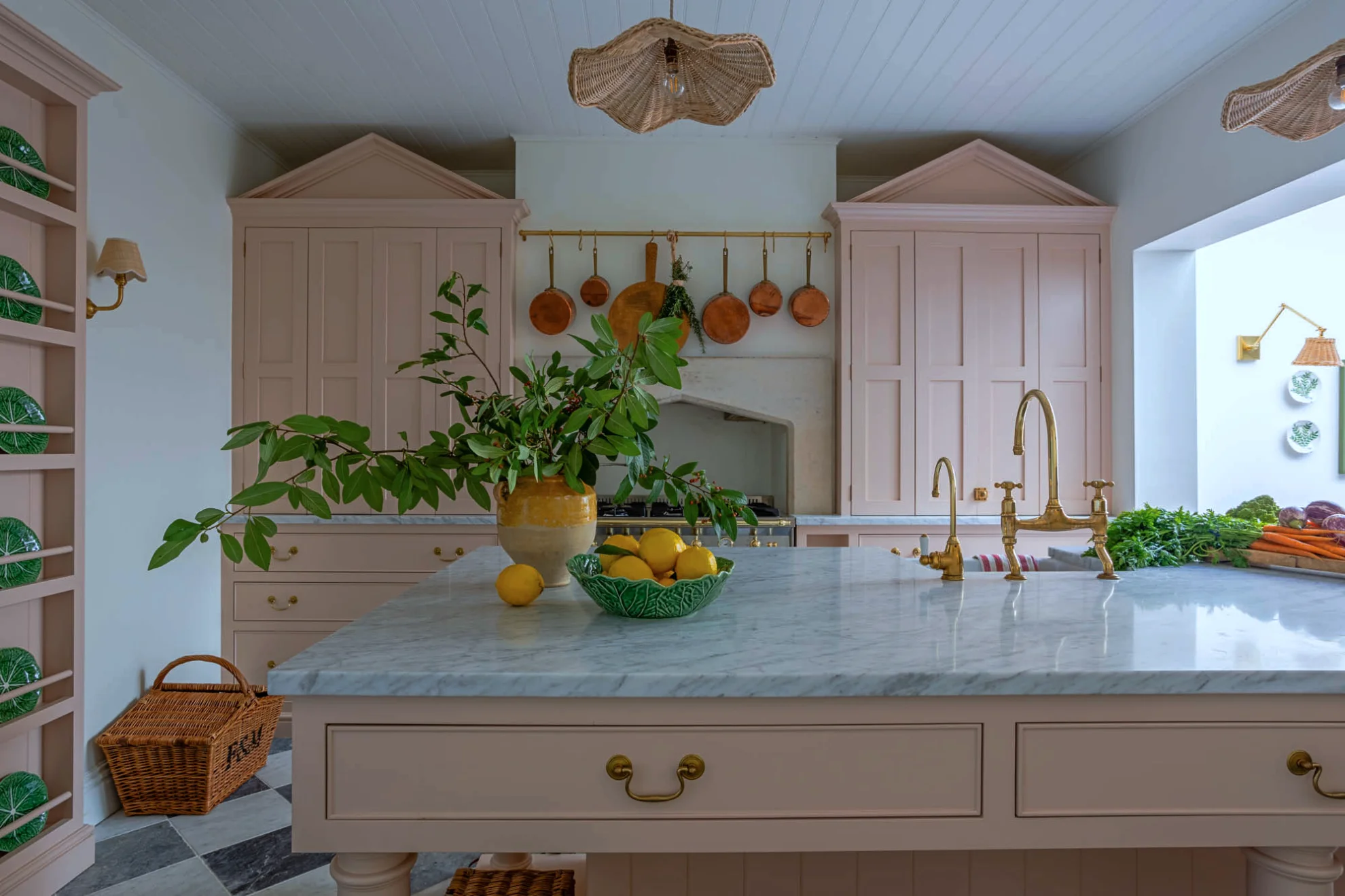
January brings with it a quieter kind of optimism. After the warmth, layers, and visual richness of December, it’s a natural moment to pause, take stock, and gently reset our surroundings. Rather than a dramatic overhaul, a January refresh is often about refinement — letting spaces breathe, rebalancing what’s already there, and making thoughtful adjustments that support everyday living.
At Sean Symington Design, we approach this time of year with the same principles that guide our projects: clarity, longevity, and a deep respect for how spaces are lived in. Small, considered changes can have a lasting impact, setting the tone for the months ahead without feeling rushed or excessive.
1. Adapt Before You Add
One of the most effective ways to refresh a home is to work with what you already have. Before introducing anything new, take a step back and look at the space as a whole. Are there pieces that could be repositioned to better suit the room? Could shelves be edited, surfaces simplified, or furniture rebalanced to improve flow and proportion?
Often, familiar objects reveal new potential when given space to breathe. Removing excess allows materials, craftsmanship, and detailing to stand out, creating interiors that feel more resolved and intentional. This approach not only brings clarity, but also encourages a more sustainable way of living with our homes.
2. Reset How Your Space Works
Good design goes beyond aesthetics, it supports the rhythms of daily life. January is an ideal time to assess how your home functions day to day. Notice where clutter naturally gathers, which spaces feel underused, and where movement through the home could be improved.
Small functional changes can make a significant difference. Introducing discreet storage, rethinking layouts, or assigning clear roles to rooms can help spaces feel calmer and more intuitive. When a home works well, it naturally feels more relaxed, allowing its character and details to come forward without distraction.
3. Swap Festive for Fresh
As festive décor is packed away, this transition offers an opportunity to refresh the mood of a space without losing warmth. Replacing heavier decorative elements with lighter, seasonal touches can lift a room while maintaining a sense of comfort.
Natural foliage, winter branches, or simple ceramic vessels add softness and texture without overwhelming the interior. A carefully chosen coffee table book or sculptural object can introduce interest while keeping the palette restrained. The aim is to refresh gently, allowing the architecture and finishes of the room to remain the focus.
4. Create Space to Breathe
After the visual fullness of December, creating breathing room within a home can feel especially restorative. Clearing surfaces, reducing visual noise, and embracing negative space helps interiors feel calmer and more balanced.
This doesn’t mean removing personality, but rather allowing each element to have purpose and presence. Thoughtful spacing highlights proportion and light, giving rooms a sense of ease and quiet confidence. Often, it’s the spaces in between that bring the greatest sense of calm.
A January refresh doesn’t need to be immediate or complete. By making small, intentional adjustments and allowing changes to unfold over time, your home can evolve naturally into the new year, feeling lighter, more considered, and deeply supportive of how you live.